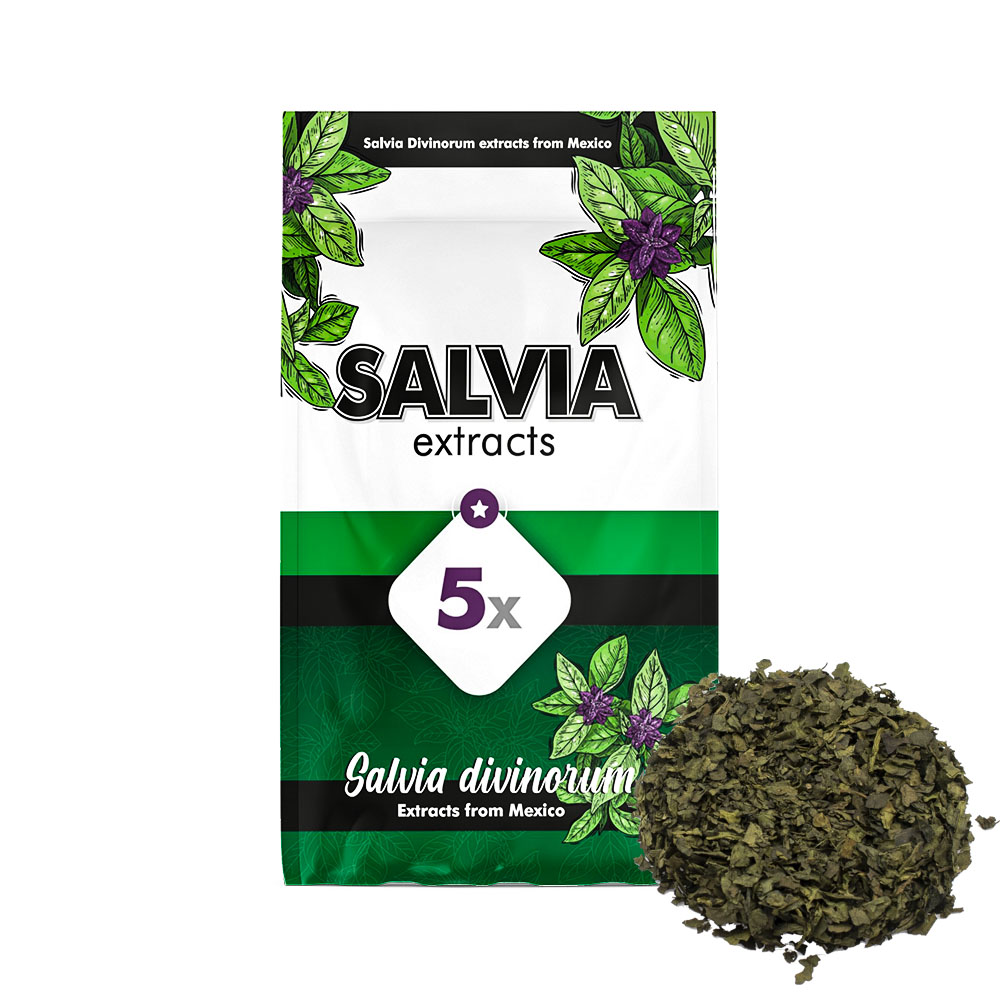
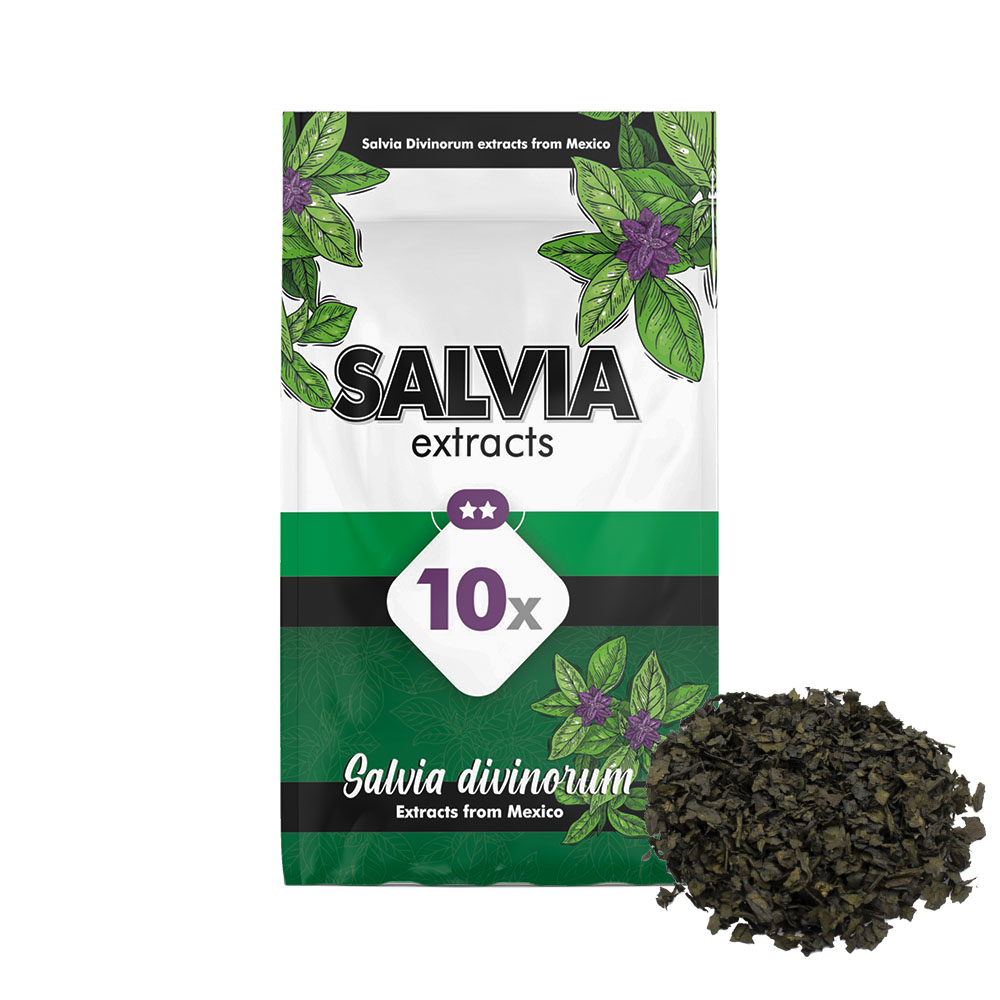
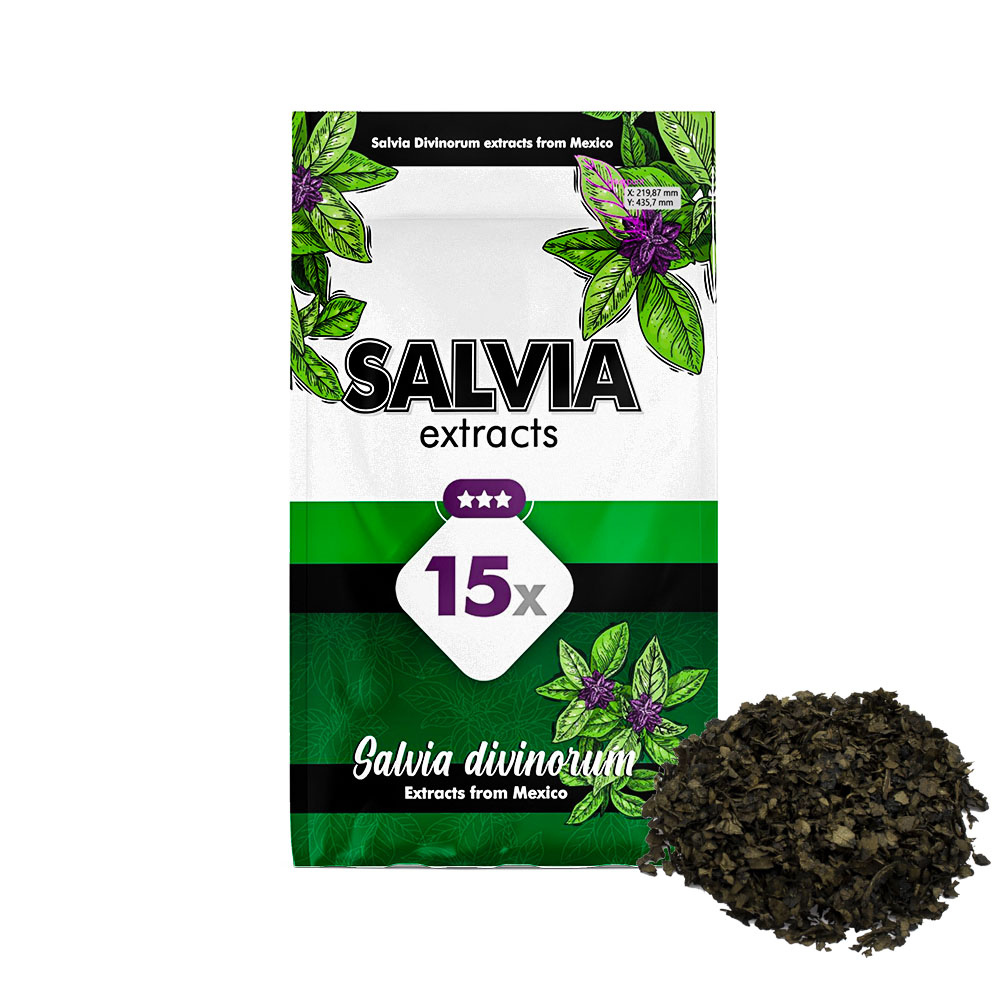
Four research groups have bought salvia products in shops or online and measured their salvinorin A. Together they show that the X on a label and the amount in the product often do not move together. Measured extracts ranged from about 4 to 57 mg of salvinorin A per gram, and one review lists single products far outside that range. None of these studies tested Avalon products.
All figures on this page are milligrams of salvinorin A per gram of product (mg/g). 10 mg/g is 1% by weight.
The four studies
| Study | Country | What was tested | Main finding |
|---|---|---|---|
| Wolowich et al., 2006 | United States | 5 products from the internet and head shops | All five held much less salvinorin A than their labels claimed; vitamin E in two, caffeine in one |
| Tsujikawa et al., 2008 | Japan | 3 dried leaf products, 9 "concentrated extracts" | Leaf 3.2 to 5.0 mg/g; extracts 4.1 to 38.9 mg/g |
| Hernández-Bello et al., 2015 | Mexico | Extracts of several brands and strengths | 8.32 to 56.52 mg/g; one brand did not match its declared amounts; 100X products had appeared on the market |
| Chambers et al., 2022 | United States | 1 leaf product, 7 enhanced leaf extracts from two online sellers | Leaf 1.54 mg/g; extracts 13.0 to 53.2 mg/g |
The lowest "concentrated extract" in the Japanese study, at 4.1 mg/g, sat inside the range of the plain leaf from the same study. A label can promise an extract and deliver something close to leaf.
One study, product by product
The 2022 study from the University at Albany is the only one that reports each product with its label. The products came from two online sellers, here called A and B:
| Label | Seller | Measured |
|---|---|---|
| Leaf | A | 1.54 mg/g |
| 5X | A | 13.0 mg/g |
| 10X | B | 32.4 mg/g |
| 15X | A | 20.9 mg/g |
| 20X | B | 16.7 mg/g |
| 40X | B | 24.6 mg/g |
| 50X | A | 53.2 mg/g |
| 60X | B | 29.3 mg/g |
Within seller B, the 20X measured about half of its own 10X, and the 60X held less than the 10X. Within seller A, the order of the labels and the order of the measurements did match. The authors add that their method gives an upper limit, because it does not separate salvinorin A from small amounts of closely related compounds (Chambers et al., 2022).
All published values, by label
The same paper collected earlier measurements and sorted them by the strength printed on the product:
| Label | Published measurements |
|---|---|
| 5X | 0.13 to 18.2 mg/g |
| 10X | 0.56 to 35.8 mg/g |
| 15X | 20.9 to 33.18 mg/g |
| 20X | 0.46 to 44.5 mg/g |
| 40X | 28.91 to 155.6 mg/g |
| 60X | 521.2 mg/g (one product) |
| 100X | 54.80 mg/g (one product) |
Some ranges come from a single product and some from several, so the table shows spread, not averages. The overlap is the point: a 5X at the top of its range held more than a 20X at the bottom of its range.
Why such small numbers matter
In the 1994 report that first described the effects of pure salvinorin A in people, 200 to 500 micrograms smoked produced effects the author found identical to those of the whole herb (Siebert, 1994). That is 0.2 to 0.5 mg. At 30 mg/g, a pinch of 20 milligrams of product already holds 0.6 mg. This is why sellers give amounts for strong extracts in hundredths of a gram, and why a label that is off by a factor of two matters more than it would for most herbal products.
What is still unknown
- Brand by brand data. The four studies covered a limited number of products, three of them more than ten years ago. No study has tested the extracts sold in Dutch smartshops, including Avalon's.
- Batch to batch spread. No study bought the same product twice to compare batches.
- Shelf life. We found no published study of how salvinorin A content in extracts changes in storage; see storage.
- Effect per milligram. The human studies used pure salvinorin A, not commercial extracts, so a milligram figure on a label cannot be translated into an experience with any precision.
What this means when you buy
A stated milligram content from the seller is the most specific figure available, and Avalon gives one for each extract. The practical rule from these studies is to regard every new product, and every new batch, as unknown until a very small amount has shown how it behaves, and to stay with one product from one seller once you know it. The choosing page puts that into steps.